
Buying a used car can be risky—but when it comes to Japanese vehicles, reliability is almost guaranteed. If you’ve ever wondered why buying used Japanese cars are reliable, the answer lies in a combination of strict regulations, engineering excellence, and a culture that prioritizes maintenance.
If you’re planning to buy used Japanese cars online, understanding why Japanese cars are reliable will help you make a confident decision.
1. Strict Vehicle Inspection System in Japan
Japan has one of the toughest vehicle inspection systems in the world, known as Shaken.
This mandatory inspection ensures:
- Vehicles meet high safety standards
- Emissions are strictly controlled
- Even minor faults are repaired
Because of these strict inspections, most owners maintain their cars regularly or sell them early—resulting in high-quality used Japanese cars entering the export market.
2. High-Quality Manufacturing Standards
One of the biggest reasons why Japanese cars are reliable is their world-class manufacturing process.
Japanese automakers focus on:
- Precision engineering
- Durable components
- Long-lasting engines
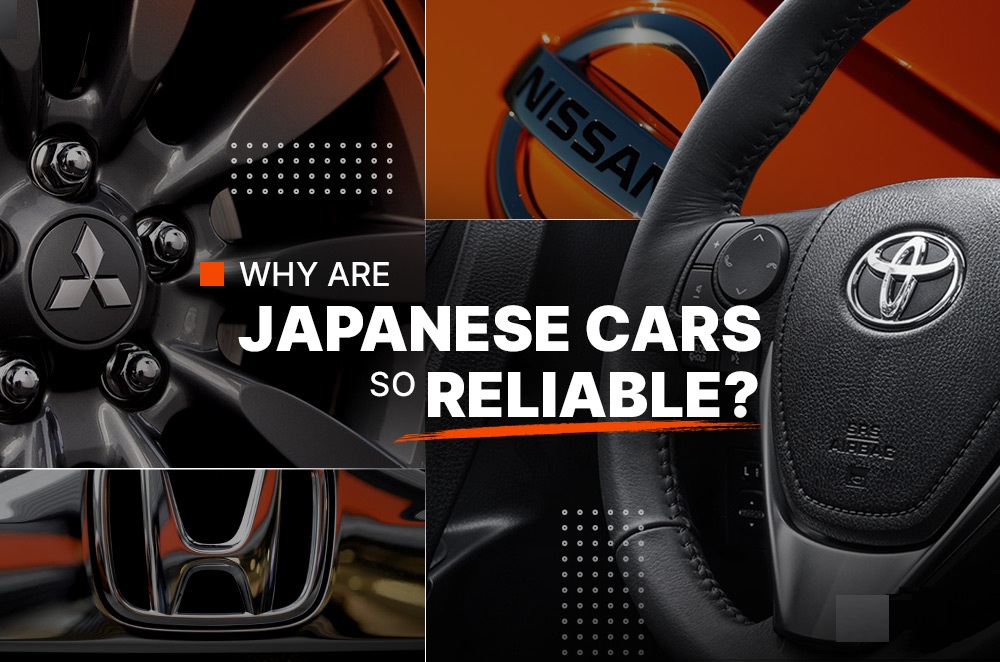
Brands like Toyota, Nissan, Honda, and Subaru are globally recognized for producing vehicles that can run for hundreds of thousands of kilometers with minimal issues.
3. Culture of Regular Maintenance
In Japan, car owners follow strict maintenance schedules.
This includes:
- Regular oil changes
- Timely servicing
- Immediate repairs
Unlike many other markets, vehicles in Japan are rarely driven in poor condition. This ensures that even older cars remain mechanically sound.
4. Low Mileage and Better Road Conditions
Most Japanese cars have:
- Lower average mileage
- Smooth road usage
- Less wear and tear
Short commuting distances and excellent road infrastructure contribute to better vehicle conditions over time.
5. Advanced Technology & Engineering
Japanese cars are known for incorporating advanced yet practical technology.
Key advantages:
- Fuel-efficient engines
- Hybrid technology leadership
- Reliable transmission systems
This focus on innovation ensures long-term performance without frequent breakdowns.
6. Affordable Spare Parts & Global Availability
Another major benefit of Japanese cars is the easy availability of spare parts.
- Widely available globally
- Affordable compared to European brands
- Easy to repair and maintain
This reduces long-term ownership costs significantly.
7. Strong Global Reputation for Reliability
Japanese vehicles consistently rank among the most reliable cars worldwide.
Why?
- Proven track record
- High resale value
- Trusted by millions of users
This reputation makes them the top choice for buyers looking for dependable used cars.
Why Understanding Japanese Car Reliability Matters
Knowing why Japanese cars are reliable helps you:
✔ Make safer purchase decisions
✔ Reduce maintenance costs
✔ Avoid frequent repairs
✔ Get better resale value
✔ Import high-quality vehicles with confidence
Whether you’re buying a sedan, SUV, or compact car, Japanese vehicles offer unmatched reliability.
Conclusion
Japanese used cars deliver unmatched long-term value due to strict inspections, superior engineering, and a strong maintenance culture.
If you’re looking for a dependable, cost-effective vehicle, Japanese cars remain one of the best choices in the global market.
FAQs on Why Japanese Cars Are Reliable
1. Why are Japanese cars so reliable?
Japanese cars are reliable due to strict inspection systems, high manufacturing standards, and a strong culture of regular maintenance. These factors ensure vehicles remain in excellent condition even after years of use.
2. What are the benefits of Japanese cars?
The main benefits of Japanese cars include:
- High reliability
- Fuel efficiency
- Low maintenance cost
- Long lifespan
- Strong resale value
3. Are Japanese used cars better than other used cars?
Yes, Japanese used cars are often better maintained and inspected compared to vehicles from many other markets, making them more reliable and cost-effective.
4. Why do Japanese cars last longer?
They last longer due to durable engineering, quality parts, and consistent servicing practices followed by Japanese car owners.
5. Are Japanese cars good for export markets?
Absolutely. Japanese cars are highly preferred worldwide because of their reliability, affordability, and availability of spare parts.
6. Which Japanese car brands are the most reliable?
Top reliable brands include:
- Toyota
- Honda
- Nissan
- Subaru
- Mazda
7. Do Japanese cars require less maintenance?
Yes, they generally require less maintenance due to their build quality, but regular servicing is still important for long-term performance.
8. Is it safe to import used cars from Japan?
Yes, importing used cars from Japan is safe if you buy from trusted exporters and review inspection reports carefully.